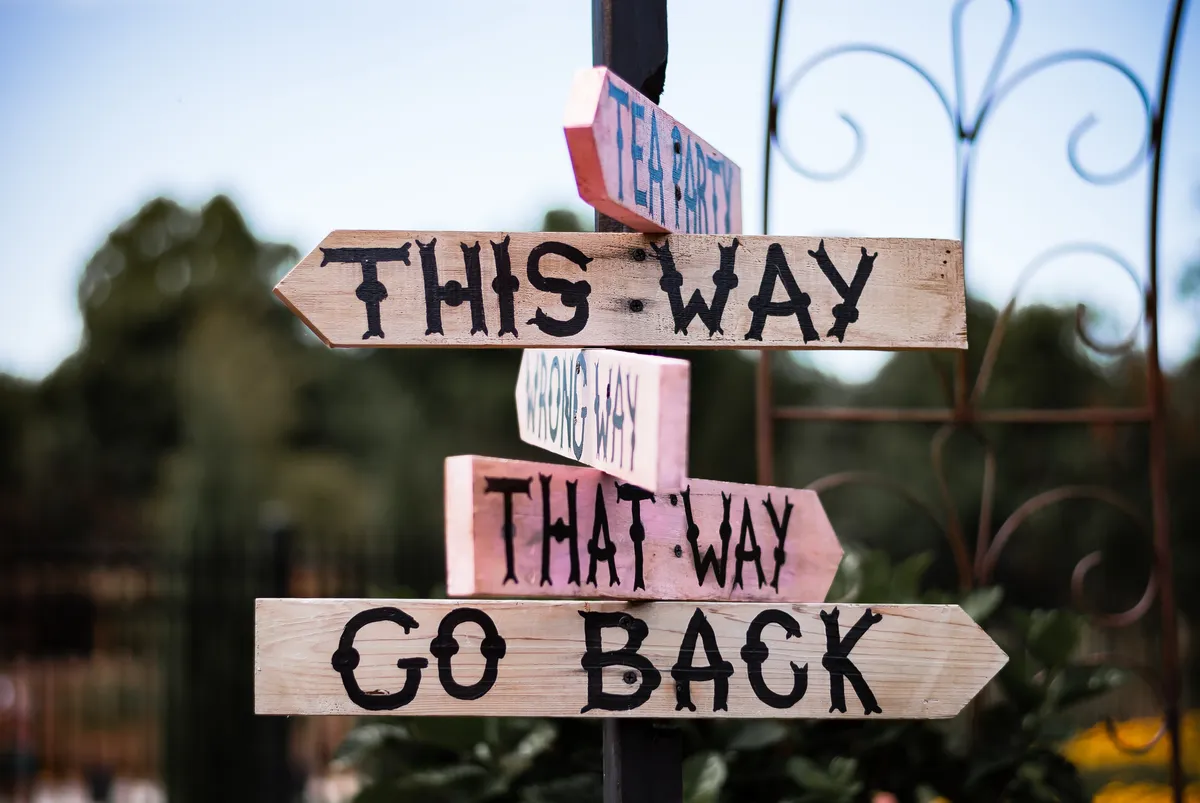
Discovering Your Way Back After an Unexpected Pause
Discovering Your Way Back After an Unexpected Pause
Life has an interesting way of reminding us that we are not always in control of its timing. Just when we believe we have found our rhythm, established our routines, and begun moving confidently toward our goals, something happens that brings everything to an unexpected pause. It may be an illness, a personal loss, a family responsibility, an emotional challenge, or simply the realization that we have been moving through life at a pace we can no longer sustain.
Sometimes these interruptions arrive without warning, while at other times they develop so gradually that we barely recognize how much they have changed our lives. What begins as a brief step away from our usual responsibilities can become days, weeks, or even months of uncertainty. Eventually, we may find ourselves wondering how to return to the things we once did so naturally.
Yet an unexpected pause does not necessarily mean we have lost our direction. Sometimes it offers us an opportunity to reconsider where we have been, what we truly need, and how we wish to move forward.
When Life Asks Us to Slow Down
We live in a world that often celebrates constant movement, productivity, and perseverance, leaving very little room for the quiet wisdom of slowing down. We are encouraged to keep going, push through difficulties, and maintain our commitments regardless of what may be happening within or around us.
But what happens when life simply does not cooperate with our carefully constructed plans?
An unexpected interruption can leave us feeling frustrated, disappointed, anxious, or even guilty. We may worry about falling behind, disappointing others, or losing the momentum we worked so hard to establish. For individuals who are accustomed to being responsible, dependable, and actively involved in the lives of others, stepping away can feel particularly uncomfortable.
However, there are times when a pause may be exactly what our minds, bodies, and spirits need, even when we would never have chosen it for ourselves.
A little distance can change how we see things. It can give our nervous system an opportunity to settle, our thoughts a chance to become clearer, and our emotions the space they need to be acknowledged rather than pushed aside. What once seemed overwhelming may feel less intimidating when we have allowed ourselves time to rest, reflect, and reconnect with our inner resources.
Of course, not every interruption feels restorative. Some are painful, disruptive, and filled with uncertainty. We do not need to pretend that every difficult experience is a blessing or that every setback carries some hidden lesson. Sometimes life is simply difficult, and finding our way through those moments requires patience, support, and compassion.
The Difference Between Rest and Avoidance
While stepping away can be healthy and necessary, it is equally important to recognize that not every pause serves our well-being.
There is a difference between taking time to recover and using distance to avoid something uncomfortable. Sometimes we tell ourselves that we need more time when, in reality, we are afraid of confronting a difficult decision, acknowledging a painful truth, or taking the next step toward meaningful change.
We may postpone conversations that need to happen, set aside responsibilities that continue to accumulate, or withdraw from relationships because we are uncertain how to navigate the emotions involved.
Avoidance can initially feel like relief. The immediate pressure diminishes, and we may convince ourselves that everything is better simply because we are no longer facing it. Unfortunately, unresolved circumstances do not always disappear with distance. Sometimes they grow quietly in the background, creating additional anxiety, guilt, or complications that eventually demand even more of our attention.
This does not mean that every unfinished task or unresolved relationship requires our immediate involvement. Nor does it mean that we must return to situations that are harmful, manipulative, or emotionally unsafe. There are circumstances in which walking away permanently is an act of self-respect and self-preservation.
The challenge is learning to recognize the difference between a pause that supports our well-being, a delay that keeps us from moving forward, and a necessary ending that allows us to reclaim our peace.
One way to begin understanding that difference is to consider what happens within us during the time we spend away. Are we becoming more peaceful, grounded, and capable of making thoughtful decisions? Are we gaining perspective and discovering what truly matters? Or are we becoming increasingly anxious about returning, continually finding reasons to postpone what we know needs our attention?
The answers may not come immediately, and that is perfectly acceptable. Self-awareness is rarely a straight path. Sometimes we need to sit with uncertainty long enough to understand what it is trying to tell us.
Finding Peace in a Season of Expectations
As the holiday season approaches, the need to slow down can become especially pronounced. What is often described as the most wonderful time of the year can also be a season of heightened expectations, emotional demands, financial pressures, and endless obligations.
We may find ourselves trying to balance family traditions, professional responsibilities, social gatherings, and the needs of others, all while attempting to maintain some sense of peace within ourselves.
For some, the holidays bring joy, connection, and anticipation. For others, they awaken memories of loss, complicated relationships, loneliness, or feelings of being overwhelmed. And for those whose lives have already been interrupted by unexpected circumstances, the pressure to participate in familiar traditions can make an already challenging time feel even more difficult.
Perhaps this is an opportunity to reconsider what we expect of ourselves during this season.
We may decide to simplify celebrations, decline invitations, reduce unnecessary commitments, or step away from traditions that no longer reflect who we are. We may choose quieter gatherings, more meaningful conversations, or simply a few evenings without obligations.
These choices need not be expressions of selfishness or indifference. They can reflect a growing understanding of our personal limits and the importance of preserving our emotional and physical energy.
Nature offers us a beautiful reminder that life does not unfold at the same pace throughout the year. Trees shed their leaves, gardens become quiet, and the earth enters periods of dormancy that are essential to future growth. We do not consider a tree unproductive because it rests through winter. Why, then, do we so often judge ourselves for needing a similar season of renewal?
At the same time, slowing down does not have to mean withdrawing from everything and everyone. There is a difference between protecting our peace and isolating ourselves from the connections that nourish us.
Sometimes the very thing we feel tempted to avoid, such as reaching out to a friend, participating in a modest celebration, or having an honest conversation, may be what helps us feel less alone.
The key is not to create another set of rules about what we should or should not do. It is to become more intentional about the choices we make.
Finding the Courage to Begin Again
And then comes the question that often receives far less attention: How do we find our way back after life has interrupted our plans?
Returning can be surprisingly difficult, even when the time away has been beneficial. We may feel disconnected from our previous routines, uncertain about where to begin, or concerned that we have lost momentum.
There can be an unspoken expectation that once the circumstances responsible for our interruption have passed, we should immediately resume everything at the same level of intensity as before.
Yet doing so may simply recreate the very conditions that left us feeling overwhelmed in the first place.
Perhaps returning should not mean going back to exactly where we left off. Perhaps it can mean approaching what awaits us with a different understanding of ourselves.
We can begin with something small and manageable rather than attempting to reclaim everything at once. A project might be resumed with a single hour of focused attention. A neglected personal goal might begin again with one modest action. A difficult conversation might start with a willingness to listen rather than an expectation that every disagreement must be resolved immediately.
Sometimes the most important step is simply allowing ourselves to begin, without demanding that we immediately return to who we were before the interruption.
We can also reassess whether our original commitments still make sense. What mattered to us several months ago may no longer hold the same importance. Our priorities evolve, our circumstances change, and our understanding of what constitutes a meaningful life continues to deepen.
Returning does not require us to ignore these changes. It invites us to incorporate what we have learned.
Releasing the Guilt of Lost Time
One of the greatest challenges of returning after an unexpected pause is the feeling that we somehow need to make up for the time we have lost.
We may look at unfinished projects, unanswered messages, postponed plans, or goals that have been temporarily set aside and feel an immediate sense of urgency. There can be a temptation to work harder, move faster, and accomplish more in an effort to compensate for our absence.
But rest is not a debt that must be repaid through overexertion.
We do not need to exhaust ourselves to prove that our pause was justified. Nor should we measure our worth by how quickly we return to our previous level of activity.
Sometimes what we perceive as lost time has been a period of necessary recovery, emotional processing, or personal adjustment. Even when the interruption itself was unwelcome, the experience may have changed our understanding of what we can realistically manage and what deserves our attention.
There is wisdom in allowing our return to be gradual, thoughtful, and sustainable.
Of course, there are situations in which waiting too long carries real consequences. Responsibilities involving our health, financial well-being, important relationships, or commitments to others may require timely decisions and action.
In these circumstances, taking a break should ideally include some consideration of what needs to be maintained, communicated, or addressed while we are away. A pause can be compassionate without becoming careless, and boundaries can be established without disregarding the people who may be affected by our absence.
Finding balance does not mean neglecting responsibility. It means recognizing that caring for ourselves and honoring our commitments do not always have to exist in opposition.
Moving Forward Without Returning to the Past
Perhaps one of the most meaningful realizations we can experience after an unexpected pause is that finding our way back does not necessarily mean returning to the life we had before.
Sometimes we discover that certain responsibilities no longer serve us, that particular relationships require healthier boundaries, or that our previous pace of living was never truly sustainable.
We may recognize that we have changed in ways we did not anticipate. Our interests may have shifted, our priorities may have evolved, and the things we once considered essential may no longer feel quite so important.
This can be unsettling, especially when we are accustomed to defining ourselves through familiar roles, routines, and expectations.
Yet personal growth often involves allowing ourselves to move forward without insisting that everything remain the same.
We do not have to abandon the past to appreciate what it has taught us. We can carry forward the experiences, relationships, and commitments that continue to enrich our lives while making room for new perspectives and possibilities.
As we approach the closing months of the year, perhaps we can release some of the pressure to finish everything, resolve every difficulty, or enter the new year with every aspect of our lives perfectly organized.
Life rarely follows such tidy expectations.
Some things will remain unfinished. Some questions will remain unanswered. Some relationships and responsibilities will require attention long after the decorations have been put away.
And perhaps that is all right.
What matters is that we remain engaged with our lives in ways that are thoughtful, honest, and compassionate. We can acknowledge when we are tired without surrendering our sense of purpose. We can give ourselves permission to rest without losing sight of what deserves our attention.
We can recognize when it is time to step away and, just as importantly, when it is time to begin again.
Final Thoughts
Life's unexpected pauses can challenge our sense of direction, disrupt our routines, and leave us wondering how to find our way back to the things that once felt familiar. Some interruptions offer welcome opportunities for rest and reflection, while others arrive through circumstances we would never have chosen.
Whatever brings us to that moment of stillness, we have an opportunity to consider how we wish to move forward.
As the holiday season approaches, let us remember that slowing down is not necessarily a sign of weakness, just as continuing forward is not always a sign of strength. Wisdom lies in understanding the difference. Sometimes courage asks us to step away, sometimes it asks us to remain, and sometimes it asks us to return to something we have been avoiding.
We may not be able to control every interruption life places in our path, but we can approach our return with greater awareness, patience, and compassion.
Perhaps the greatest gift we can offer ourselves during this season is the freedom to move through life with greater intention, recognizing that a pause can be purposeful, a return can be gentle, and an ending can sometimes be necessary.
After all, discovering our way back does not always mean finding the exact path we once traveled. Sometimes it means recognizing that we have grown, that our direction has changed, and that a new path may be waiting for us.
And when the time comes to begin again, may we do so not out of guilt or obligation, but with renewed clarity, a gentler heart, and a deeper understanding of what truly matters.


