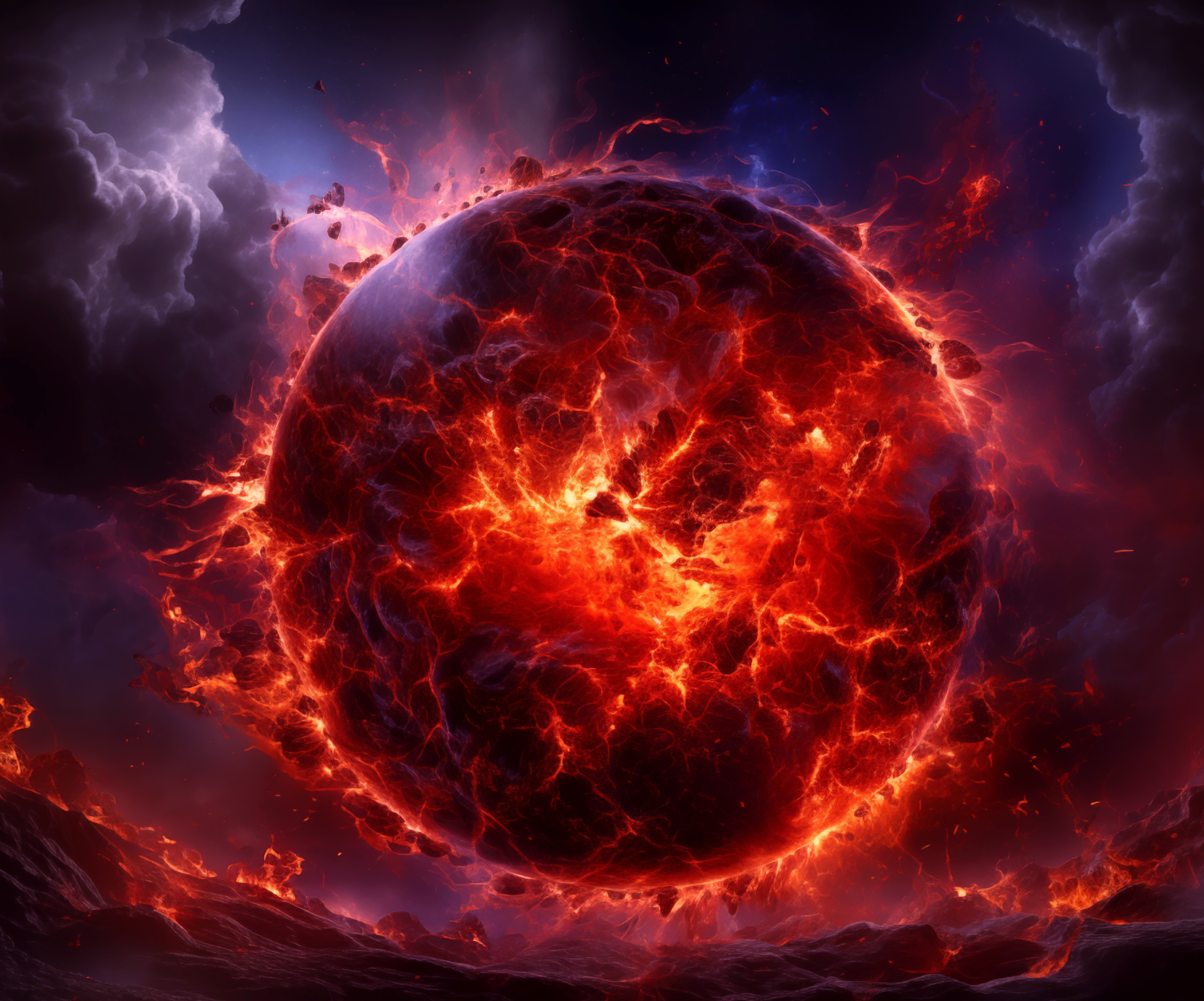
Is the World Falling Apart...Or Is Its Soul in Transition?
Is the World Falling Apart...Or Is Its Soul in Transition?
There is a question quietly echoing across dinner tables, therapy offices, coffee shops, and late-night conversations. It emerges after another unsettling headline, another natural disaster, another act of violence, another reminder that the world feels somehow different than it once did.
Many people are asking the same thing: Is the world falling apart?
It is an understandable question. We are living during a time of extraordinary change. Technological advances are transforming nearly every aspect of life. Long-held institutions are being questioned. Political divisions seem to deepen by the day. Climate concerns weigh heavily on our collective consciousness. Social media ensures that we witness the suffering of people thousands of miles away almost as quickly as those living next door.
Perhaps the world has always held this much beauty and this much heartbreak. The difference is that now we see nearly all of it.
And yet, beneath the uncertainty, another question quietly waits.
What if this isn't simply an age of collapse? What if it is an age of transition?
Seeing More Than Any Generation Before Us
For most of human history, people lived within relatively small circles of awareness. Their attention was focused on family, neighbors, local events, and the rhythms of the natural world surrounding them.
Today, before many of us have finished our morning coffee, we've witnessed wars, economic uncertainty, environmental disasters, political conflict, and deeply personal stories shared by complete strangers around the world. Our awareness has expanded exponentially, but our nervous systems remain much the same as they have been for thousands of years.
Perhaps it isn't that the world has suddenly become more chaotic.
Perhaps we are simply carrying more of its story than any generation before us ever could.
Every Great Transition Feels Uncertain
History offers an interesting perspective. Rarely do people living through profound cultural shifts recognize them as periods of transformation. More often, they experience them as confusion, instability, or even collapse.
Ancient civilizations believed they were witnessing the end of everything they knew. Revolutions, renaissances, scientific discoveries, and social movements all disrupted familiar ways of living before giving rise to something new. From within those moments, certainty was often impossible.
Nature tells a similar story. Forests regenerate after fire. Rivers carve entirely new paths over time. Caterpillars surrender the very form that once defined them before becoming something altogether different.
Transformation is rarely comfortable while it is unfolding.
It often looks remarkably like chaos.
The Stories That Shape Our Reality
Human beings possess what psychologists call a negativity bias. Our minds naturally notice danger more quickly than safety because, throughout evolution, paying attention to threats increased our chances of survival.
Modern media reflects—and often amplifies—that tendency. Stories of crisis demand our attention because they matter. Yet they are not the whole story.
While headlines report conflict, countless quieter moments unfold every day. A neighbor checks on an elderly friend. Teachers inspire students to believe in themselves. Scientists search for solutions. Artists continue creating beauty. Volunteers rebuild communities after disasters. Parents comfort frightened children. Strangers offer unexpected kindness.
These stories rarely dominate our newsfeeds.
Yet they are just as real.
Perhaps hope has never disappeared.
Perhaps it has simply learned to speak more softly than fear.
Living With Questions Instead of Certainty
One of the greatest challenges of our time may not be uncertainty itself, but our discomfort with not knowing.
We naturally long for clear answers. We want reassurance that everything will be fine—or certainty that we understand what lies ahead. Yet life has seldom offered such guarantees.
There is quiet wisdom in allowing meaningful questions to remain open.
Perhaps the invitation is not to decide whether humanity is thriving or failing, ascending or declining.
Perhaps the invitation is simply to become more conscious participants in whatever chapter of history we happen to be living through.
The future has always been unwritten.
It still is.
Final Thoughts
Perhaps history will one day describe this era very differently than we do today. What feels like fragmentation from within may eventually be understood as a profound period of reimagining—one in which humanity questioned old assumptions, wrestled with enormous challenges, and slowly began shaping new ways of living together.
Or perhaps it won't.
The truth is, none of us can know with certainty.
What we can know is that every generation has stood at moments that felt overwhelming. Every generation has wondered whether the world they loved was slipping away. And every generation has been asked, in its own way, what it would contribute during times of uncertainty.
Maybe the question has never been whether the world is falling apart.
Maybe the deeper question is whether something within humanity is awakening—calling us toward greater compassion, deeper wisdom, stronger communities, and a more conscious relationship with one another and with the living world.
Is the world falling apart...or is its soul in transition?
Perhaps the answer will not be found in tomorrow's headlines.
Perhaps it will be found in the countless quiet choices ordinary people make every day—and in the story we choose to help write together.


